
Casino Design Tricks Explained From The Pit Floor
Forty years dealing cards across Melbourne, Macau, Vegas and the UK taught me one thing: the house doesn’t need you to lose badly. It just needs you to stay. Casino design tricks are the invisible scaffold keeping Aussie punters seated through another round, another spin, another drink. This guide unpacks the floor psychology, the sound cues, and the route planning venues lean on – so you can read the room before it reads you. For a stripped-back take, swing past need-for-spincasino.com and see what a quieter interface does differently.
The Classic Tricks Still Running On Every Australian Floor
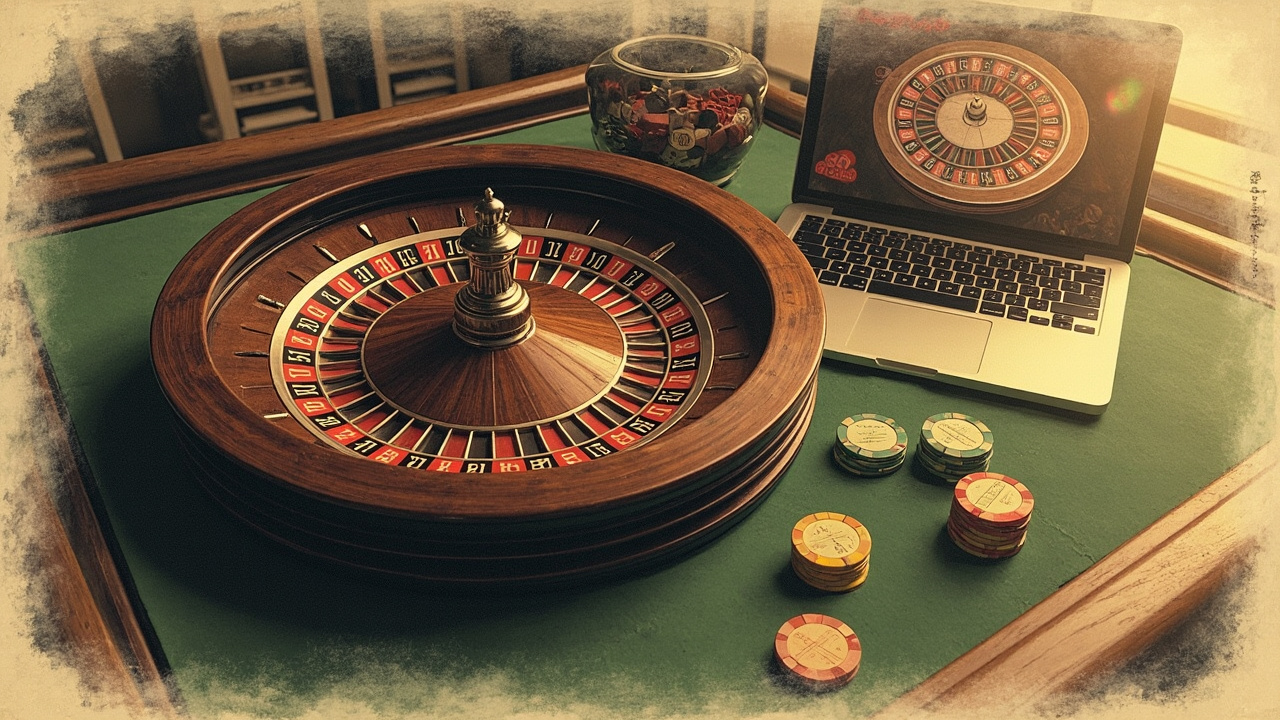
Walk into any licensed Australian gaming room – Crown Melbourne, SkyCity Adelaide, Star Sydney, a suburban RSL – and you’ll notice the carpet isn’t there for decoration. Deep reds and golds hide stains but do something subtler: they make time feel heavier and keep eyes on machines rather than exit signs.
The maze layout is the second trick. Tables, slots and ATMs are scattered so you walk past more games before reaching a cashpoint. Windows are rare, clocks are scarcer, and ceilings are dropped to keep noise near each bank.
Then there’s the comp bar, friendly dealer, the chair that doesn’t quite let you lean back, and the near-miss sound design on pokies – those triumphant chimes when two scatters land and the third just misses. Each lever is calibrated, not accidental. Even chair arm width is a variable: wider arms signal a relaxed posture, narrower arms keep you alert and less likely to drift into a longer session.
I’ve trained dealers in venues where floorplans were reviewed quarterly by teams running A/B tests on signage. The lighting, the audio mix, the route to amenities – those are the levers.
| Design Element | What The Venue Is Doing |
|---|---|
| Carpet & colour palette | Hides wear, sets mood, kills exit urgency |
| No clocks or windows | Time disorientation, no daylight cues |
| Maze floor plan | More game exposure per walk to amenities |
| Complimentary drinks & service | Reduces rational pause, lengthens session |
| Sound & near-miss chimes | Reinforces continued play after losses |
Two Player-Fit Scenarios Where These Tricks Land Differently
Not every punter gets hooked the same way. Two player-fit scenarios show how design tricks land differently depending on what you walked in looking for.
The Pokies Regular Who Walks In For Five Minutes
You reckon you’re popping in for a quick spin. The screen flashes a welcome animation, the chair fits just right, and there’s no clock on the wall. Adelaide’s Rundle Street pokies lounges and the SkyCity Adelaide gaming floor both run the same play: the room is built so “five minutes” turns into forty without you noticing. Sounds are tuned to celebrate small wins, near-misses are loud, and the spin button is sized for thumb fatigue – meaning you’ll press it again before you think. The bonus features chain: a free games round ends with a “you’re so close” tease that the next spin picks up. Add a complimentary tea round from a floor walker and the rational brain logs off. I’ve watched it work on pit bosses who knew every trick in the book and still got pulled into a five-minute session that ran an hour.
The Table-Games Player Who Trusts Their Edge
You walk past the slots because you’ve got a system. Baccarat pattern, blackjack basic strategy, roulette progression – you trust the maths more than the lights. The floor is set up for that confidence. Tables are positioned with high ceilings and brighter pools, so card reading and dealer tells feel natural. But the chairs still face the shoe rather than the exits, the drink service runs every twelve minutes, and the minimums are stacked so you’ll buy in again before you walk. I’ve trained shift managers who timed cocktail rounds to the second and adjusted table minimums during busy arvos to nudge buy-ins. The skill edge is real – but the room is designed to make sure the edge has to work against the clock, the comfort, and the social pressure of the next hand. Skill beats layout only when the player enforces their own stop-loss before the floor does it for them.
How Casino Design Tricks Map To Your Actual Night Out
Most “casino design tricks explained” content stops at the maze layout and the no-clock trick. Useful, but it skips the practical part: how those tricks map to your actual behaviour, your budget, and your exit. If you recognise the comp cadence, the spin-button fatigue, and the cocktail timing, you can pre-commit a stop-loss and a session length before the room decides them for you. That’s the real payoff of knowing the playbook.
For online play, the same tricks are repackaged as deposit bonuses, near-miss popups, and stacked free-spin offers that bleed into the next deposit. Players chasing soft wagering terms will want a clear read on no-deposit bonus flows that actually shape withdrawal value, with the bonus mechanics and the fast-payout conditions properly broken down.
Abigail Harris, Board Member at Nullarbor Gaming Analytics, flags the part most breakdowns miss: “Near-miss sound design is the most under-discussed trick in any casino design tricks explained guide, because players don’t register it as marketing – they register it as a near win.”
In short, the floor, the screen, and the bonus email are all running the same script. Spot the levers and the venue stops running you.
Casino design tricks aren’t magic. Venues don’t need every punter to break – they need most to stay one hand longer than planned. Spot the carpet, the chimes, the comp rounds, and the room stops running you. William Scott, Lead Gaming Analyst at Sunburnt Country Interactive, frames it: “The venue isn’t trying to make you lose – it’s trying to make you stay.” No worries if you enjoy the lights – just enjoy them on your terms.