
How to Read Baccarat Road Patterns Before Your First Session
Baccarat roads look like cryptic spreadsheets at first glance, but they are simply a visual ledger of past shoe outcomes, not a crystal ball. You will see players in Sydney clubs studying these charts between arvos, tracing lines with a finger as if the pattern itself holds a secret. The reality is quieter: the road records what happened, not what must happen next. Understanding the notation helps you follow the shoe without falling for streaks that do not exist. If you plan to play online, start with a proper registration and verification process at a licensed operator rather than chasing patterns on an unverified platform like royal reels online casino login.
Reading the Three Main Road Maps

The big road is the backbone, a grid of red and blue circles tracking Player and Banker results in sequence. A red circle means Player won the hand, blue means Banker won, and a tie is usually noted with a bar or skipped depending on the layout. The key to reading it is recognising the bead plate underneath, which counts totals per column so you can see the running frequency at a glance. When a column fills to a set height, the notation moves to the next column, which is why the grid looks staggered. This is pure record-keeping, similar to how a slot production team logs hit frequencies across a test bed to confirm the maths model behaves as designed. The road does not predict; it only displays the sequence so you can follow the shoe without losing your place.
The big eye boy and the small road sit beneath the main grid and apply a derived notation to highlight repetition or choppiness. Big eye boy uses a compressed symbol set to flag when the same outcome repeats across columns, while the small road tracks alternating patterns with a different marker. You do not need to memorise every symbol to play responsibly; you just need to know that these secondary roads are transformations of the same data, not independent signals. A gaming-math view treats them like a secondary display on a machine dashboard, useful for spotting visual trends but not a substitute for the underlying random sequence. If you are verifying your account and funding your first session at a site that supports Australian dollars, the road maps will render the same way regardless of your payment method, because the shoe logic is separate from the cashier.
| Road Map | What It Shows | Notation Style | Practical Use |
|---|---|---|---|
| Big Road | Player vs Banker sequence per hand | Red and blue circles in columns | Follow the shoe order and column fills |
| Big Eye Boy | Derived repetition pattern | Compressed symbols under the grid | Spot repeated column behaviour visually |
| Small Road | Derived alternation pattern | Different marker set beneath big eye boy | Highlight choppy versus streaky runs |
Why the Road Does Not Beat the Shoe
Baccarat is a fixed-probability game where Banker and Player hands carry a built-in house edge, and the road cannot change those numbers. Each hand is dealt from a shoe that is shuffled or cut according to the game rules, and past outcomes do not influence the next deal. The illusion of a readable pattern comes from the human tendency to see structure in random sequences, which is the same cognitive trap that appears when players misread bonus terms or expect a loyalty tier to improve their odds. Responsible gambling advisers often point out that tracking a road can make a session feel more controlled while the underlying risk stays the same. If you treat the road as a way to follow the action rather than a forecasting tool, you keep your expectations aligned with the maths.
Payment timing, verification steps, and bonus activation do not interact with the road either, because the shoe runs independently of your account status. You might deposit in Australian dollars, complete identity checks, and claim a welcome offer, but none of that alters the sequence of circles on the screen. A marketing director at Kangaroo Point Analytics, Hannah Roberts, has noted that players often conflate account features with game outcomes, which is why clear separation between cashier mechanics and game display matters for honest product design. The road is a display layer; your eligibility, limits, and support options are account layers. Keeping those apart helps you read the game without importing false expectations from the rest of the platform.
The platform stays focused on that visual loop regardless of your deposit currency or KYC status. You can spend hours navigating the wheel, but the underlying mechanics never shift based on your balance. If you want to see how the interface handles real-time updates, visit the royal reels online casino login section for a closer look.
Fitting the Road Into a First Session
If you are new to baccarat, the most practical use of the road is orientation, not strategy. Watch the big road to see whether the shoe is running in long runs or quick alternations, then decide your bet size and session length based on your bankroll, not on the pattern you think you spotted. A sensible first session covers eligibility, identity verification, a modest first deposit in Australian dollars, and a clear stop point before any bonus is activated. That sequence keeps the experience grounded and avoids the common mistake of letting a colourful chart drive your staking. The road can help you follow the deal, but your limits and time boundaries are what shape the session.
Mobile play and support access matter here because road maps need to render clearly on a phone screen without crowding the bet controls. A well-built product keeps the road visible but secondary, with clear help options and reality-check prompts so you can step back if the session gets busy. A gaming technology consultant, Finn Green from Top End Gaming Advisory, has observed that road displays work best when they are treated as a reference panel rather than a focal point, which is a design judgement that carries over from how slot paytables are positioned on a cabinet. If you are comparing operators, look for clear game rules, transparent limits, and straightforward support rather than flashy road animations. That way the chart stays a record of the shoe, and your first session stays a measured one.
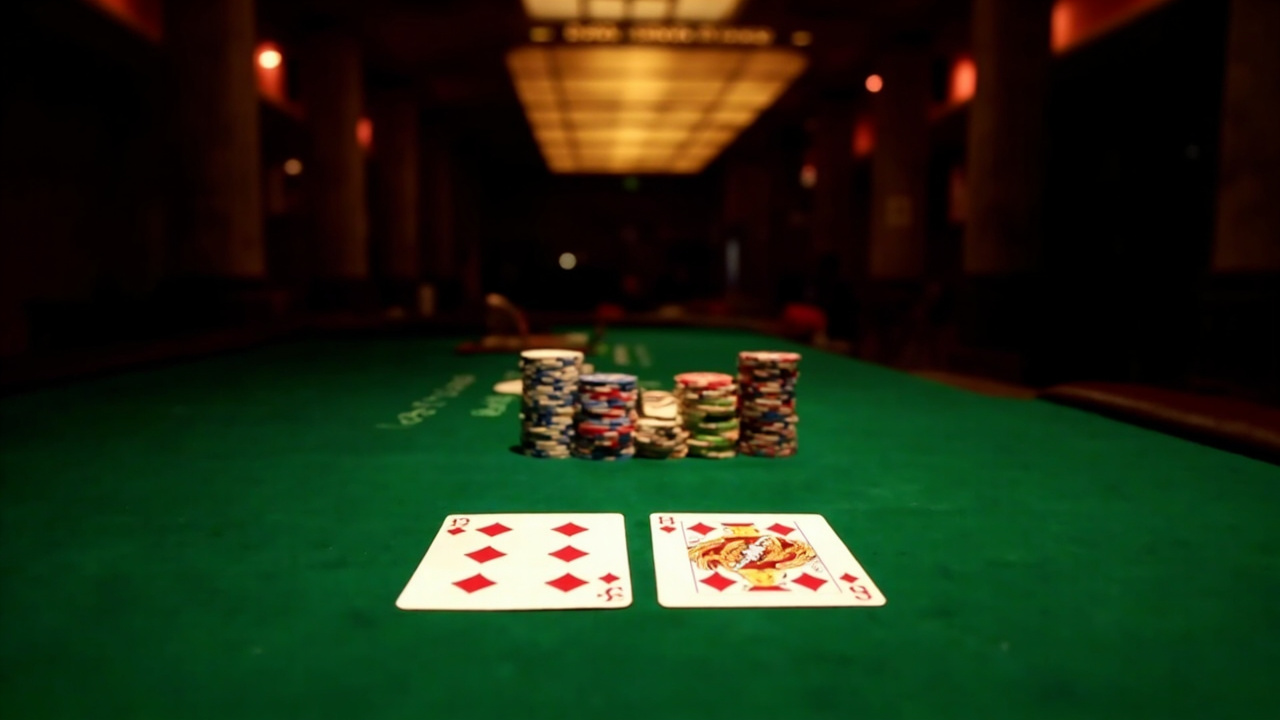
I still think about those players in Sydney tracing lines between hands, convinced the next circle was already written. The road is only a record, and the shoe keeps dealing regardless of the pattern on the wall. If you read it as a way to follow the action rather than a map to a result, you keep the game in its proper place and the session in your control.